08 Jan 4 Effective Treatment Methods to Remove Kidney Stones
4 Effective Treatment Methods to Remove Kidney Stones
By Island Hospital | Jan 8, 2026 3:56:33 PM
Prevention is always the best cure. Proper hydration by drinking enough water each day helps flush the kidneys. In some cases, a change of diet and medications prescribed by the doctor may be sufficient to lower the patient’s risk of kidney stones.
However, if further treatment is required, the doctor or urologist will be able to provide some suitable options. The best type of treatment and its cost to remove the kidney stones will depend on the doctor’s recommendation based on the diagnosis of your kidney stones.
This article will explore how kidney stones form, the signs to watch out for, and four effective treatment methods available to remove kidney stones safely and efficiently.
What Are Kidney Stones and How Are They Formed?
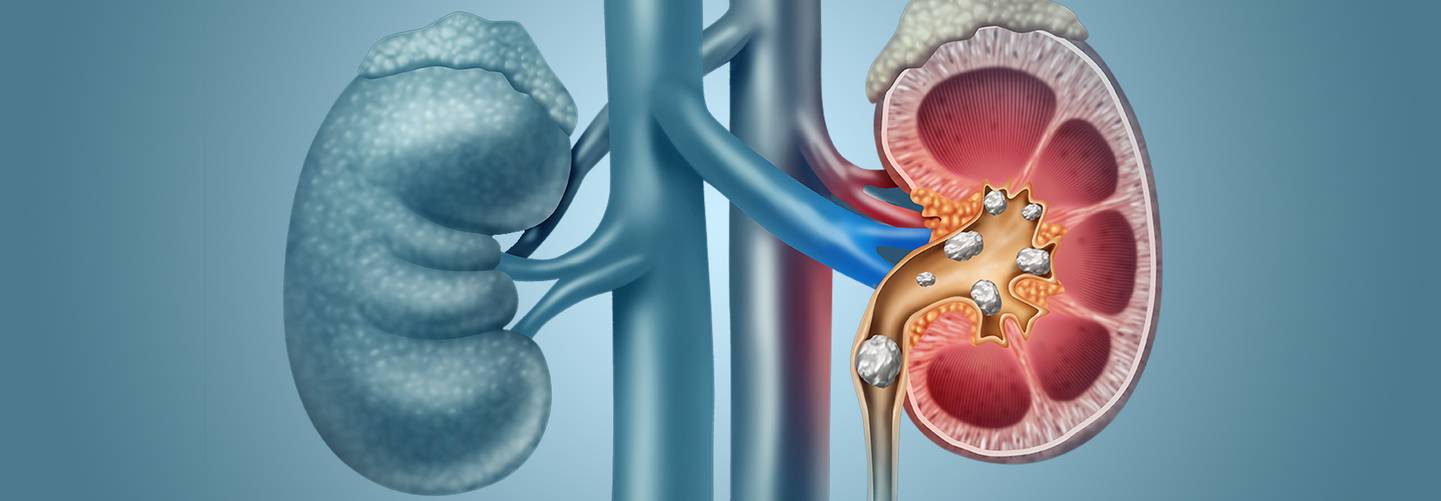
A kidney stone is a hard, crystalline mineral material formed within the kidney or urinary tract. They are made from chemicals in the urine. Chemicals that can cause kidney stones to form include:
- Calcium
- Oxalate
- Urate
- Cystine
- Xanthine
- Phosphate
In most instances, having enough liquid will flush them out in urine and prevent a stone from forming.
Crystals begin to form in the urine when there is too much waste in too little liquid. When the crystals are not passed out of the body with the urine, they will bond together with other elements to form a solid mass that will grow larger over time.
Once formed, a stone may stay in the kidney or travel down the urinary tract into the ureter. Tiny stones may eventually pass out of the body in the urine. But stones that remain in the body can cause a backup of urine in the kidney, ureter, bladder, or urethra.
This irritation or blockage is what causes the pain.
Note: The medical term for kidney stones is Nephrolithiasis.
Concerned about your kidney health? Learn the 5 key warning signs that your kidneys may need medical attention in our complete guide.
How Common Are Kidney Stones and Who is Most at Risk?
Kidney stones are fairly common. It is estimated that one in every 20 people develops kidney stones at some point in their life. The risk of kidney stones is about 11% in men and 9% in women.
People at Higher Risk
You may have a higher risk of developing kidney stones if you take certain medications or supplements, or have:
Factors of Kidney Stone Formation
Several major risk factors can contribute to the formation of kidney stones, including:
- Dehydration from drinking too little water
- Diet high in salt or sugar
- Hereditary factors
- Strenuous exercise without enough fluid replacement
Should Stones in the Kidney Be Removed?
In the worst-case scenario, you may end up with chronic kidney disease if you do not get treatment to remove kidney stones. Over a period of time, a very large stone that is left untreated can also result in renal failure.
Once a kidney stone is diagnosed, it is vital to get it removed as it is a medical issue with a real risk of long-term kidney damage.
If kidney function has been severely affected, discover how a kidney transplant can help you regain normal kidney function in our complete guide.
Symptoms of Kidney Stones
Kidney stones vary in size from a grain of sand to the size of a pea or bigger. Symptoms of kidney stones include one or more of the following:
- Severe pain on the sides of your lower back
- Pain in the groin and abdomen
- Persistent stomachache
- Burning pain when urinating
- Blood in the urine (hematuria)
- Cloudy or smelly urine
- Nausea or vomiting
- Fever and chills
Experiencing any of these symptoms? Seek immediate medical attention by consulting your urologist to prevent complications and relieve discomfort safely.
How Kidney Stones Are Diagnosed
If you are suspected of having a kidney stone, your doctor may recommend one or some of the following diagnostic tests and procedures:
Blood tests may reveal too much calcium or uric acid in your blood. These results help monitor the health of your kidneys and may lead your doctor to check for other medical conditions.
2. Imaging
Imaging tests may show kidney stones in your urinary tract. Common imaging options include:
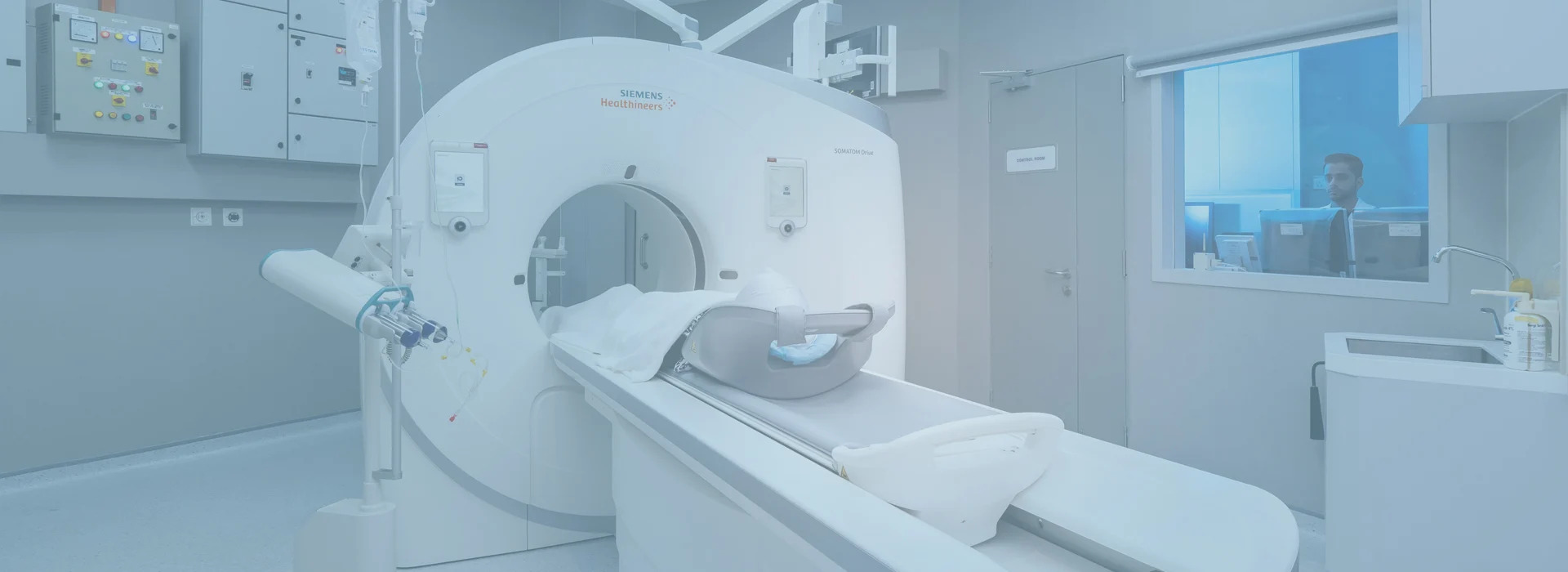
- High-speed/dual-energy computerised tomography (CT)
High-speed or dual-energy computerised tomography (CT) may reveal even tiny stones. - Simple abdominal X-rays
Simple abdominal X-rays are used less frequently because this kind of imaging test can miss small kidney stones. - Ultrasound
Ultrasound is a noninvasive test that is quick and easy to perform, and is another imaging option to diagnose kidney stones.
3. Analysis of past stones
You may be asked to urinate through a strainer to catch stones that you pass. A lab analysis will reveal the makeup of your kidney stones.
Your doctor uses this information to determine what’s causing your kidney stones and to form a plan to prevent more kidney stones.
Can Kidney Stones Be Removed Without Surgery?
The treatment for kidney stones will depend on the type of stone, the symptoms and the cause.
Generally, small kidney stones with minimal symptoms do not require surgery or invasive treatment. Most patients should be able to pass a small stone through the ureter to the bladder naturally by:
- Drinking enough liquids to keep the urine diluted
- Taking pain-relief medications
- Taking medications that relax the ureter muscles and promote the passage of urine
However, for large stones that are not able to pass on their own or cause bleeding, kidney damage or urinary tract infections, more extensive treatments are required.
Extracorporeal Shock Wave Lithotripsy (ESWL) is a popular non-surgical treatment to remove kidney stones using focused sound waves.
Four Methods of Treatment for Kidney Stone Removal
At Island Hospital, we provide four proven methods to remove kidney stones safely and effectively, including:
- Extracorporeal Shock Wave Lithotripsy (ESWL)
- Percutaneous Nephrolithotomy (PCNL)
- Ureteroscopy
- Retrograde Intrarenal Surgery (RIRS)
1. Extracorporeal Shock Wave Lithotripsy (ESWL)
Extracorporeal shock wave lithotripsy (ESWL) is a technique for treating stones in the kidney and ureter that does not require surgery. It is ideal for treating stones that are smaller than 2 cm in diameter.
ESWL uses sound waves to break up stones – high-energy acoustic waves are targeted at the stone with the help of a lens. The sound waves create vibrations that are powerful enough to break the stone into tiny pieces that can be passed in your urine on their own.
The treatment takes about 45 to 60 minutes and may cause moderate pain; hence, sedation or light anaesthesia may be required.
The progress of the patient’s recovery after this procedure is excellent, with extremely minimal postoperative complications in general.
Note: Extracorporeal Shock Wave Lithotripsy (ESWL) treatment for kidney stone removal can be done at Island Hospital in Penang. Schedule an appointment with our specialists to find out if ESWL is the right treatment option for you.
2. Percutaneous Nephrolithonomy (PCNL)
Percutaneous Nephrolithonomy (PCNL) is the accepted standard of care for patients with kidney stones that are large or resistant to other forms of stone treatment, such as staghorn stones.
A tube is placed through the incision into the kidney under X-ray guidance. A small telescope is then passed through the tube to locate the stone, break it up and remove it from the body.
If necessary, a laser or a lithotripter may be used to break up the stone before it can be removed. Patients will receive general anaesthesia during the surgery and be in the hospital for three to four days for recovery.
3. Uteroscopy
Ureteroscopy uses a small scope, like a flexible telescope, to remove kidney stones. Ureteroscopy is most often used for stones in the ureter, especially for stones closest to the bladder, in the lower half of the ureter.
Your doctor passes a thin, lighted tube, known as the ureteroscope, equipped with a camera, through your urethra and bladder.
It allows the urologist to actually look into the ureter, locate the stone and remove it using special tools that can grab the stone, pull it free or use a laser to break it so that it will pass in your urine.
A small tube called the stent may be placed in the ureter to relieve swelling and promote healing. General or local anaesthesia may be required during this outpatient procedure.
4. Retrograde Intrarenal Surgery (RIRS)
Retrograde Intrarenal Surgery (RIRS) is a procedure for doing surgery within the kidney using a viewing tube called a fiberoptic endoscope.
The scope is inserted through the urethra into the bladder and then through the ureter into the urine-collecting part of the kidney. The scope is then manoeuvred up the urinary tract system to within the kidney, known as the intrarenal region.
Once the stone is seen through the scope, it can be fragmented using a laser. The RIRS procedure is usually done under general anaesthesia.
Find Relief from Kidney Stones with Expert Care!
Kidney stones can cause severe pain and discomfort, but with the right treatment, relief is within reach.
At Island Hospital, our experienced urology specialists offer comprehensive diagnosis, treatment, and preventive care for kidney stones and other urinary conditions.
Our team is dedicated to helping you recover comfortably and prevent future recurrences through personalised care and continuous guidance.
We’re proud to be recognised both locally and globally, including:
- A finalist for Malaysia’s Flagship Medical Tourism Hospital Programme
- A place on Newsweek’s lists of World’s Best Hospitals 2025
Book an appointment with our urology specialists today to receive a precise diagnosis and an expert treatment plan for long-term relief and kidney health.
Don’t Wait Until It’s Too Late – Get a Screening That Covers All The Bases

We’re offering our comprehensive Executive Health Screening Package at only RM760 – giving you a complete head-to-toe health assessment for peace of mind.
Our package features vital health screenings, including Eye Tests, Cardiovascular Assessment, Full Blood Picture, Radiological Screening, Diabetes Screening, Kidney Function Test, and much more.
What’s Included in Your Screening Experience:
✔ Physical examination
✔ Complete medical report
✔ Consultation by Health Screening Physician/Specialist
✔ Light refreshments
✔ Exclusive Island Hospital woven bag
Related Doctors
Latest Blog Posts

February 11, 2026