
26 Jan 5 Common Cancers in Malaysia That Often Show No Early Warning Signs
5 Common Cancers in Malaysia That Often Show No Early Warning Signs
By Island Hospital | Jan 26, 2026 12:00:00 PM
Many people believe cancer will always announce itself with pain, visible lumps, or severe discomfort.
The reality is more unsettling because some cancers grow quietly for years, causing little to no symptoms until they reach an advanced stage.
These are often referred to as silent or asymptomatic cancers, and they are a major reason why many cancers are diagnosed late.
Read along to understand how and why this happens, when to act to make a life-changing difference.
What Is a Silent (Asymptomatic) Cancer?
A silent cancer is a cancer that develops without noticeable symptoms, especially in its early stages. This doesn’t mean the cancer isn’t there — it simply means it isn’t causing obvious changes that prompt someone to seek medical attention.
In many cases, people feel completely well and continue their daily routines, unaware that cancer is quietly progressing.
This is different from ignoring symptoms. With silent cancers, there may be nothing obvious to notice at all.
Why Some Cancers Don’t Show Symptoms Early
Not all cancers behave the same way. Some grow in areas of the body where they don’t interfere with nerves or vital functions early on.
Common reasons cancers remain silent include:
- Slow growth in the early stages
- Internal organs with more space, such as the liver or colon
- Symptoms that mimic common conditions, like indigestion or fatigue
- Tumours that don’t cause pain initially
Because of this, waiting for symptoms before taking action can be risky — especially for cancers known to stay quiet early on.
5 Common Silent Cancers You Should Know About
Some cancers can develop quietly, without obvious warning signs in the early stages. By the time symptoms appear, the disease may already be more advanced.
Understanding which cancers are often “silent” — and how they can be detected early — can make a critical difference for early treatment.
1. Colorectal Cancer
Early-stage colorectal cancer often causes no pain or noticeable bowel changes. Many people feel completely well, which is why the disease is frequently detected later, when symptoms become harder to ignore.
When symptoms do appear, they may include:
- Blood in the stool
- Persistent changes in bowel habits (diarrhoea or constipation)
- Unexplained weight loss or fatigue
How it’s detected early:
- Faecal Immunochemical Test (FIT): Detects hidden blood in the stool
- Colonoscopy: Allows doctors to directly view the colon and remove precancerous polyps
Regular screening is especially important for adults aged 45–50 and above, or those with a family history of colorectal cancer, inflammatory bowel disease, or long-term bowel symptoms.
2. Liver Cancer
In its early stages, liver cancer may cause little to no discomfort, as the liver can continue functioning even when disease is present. Symptoms such as abdominal pain, swelling, jaundice (yellowing of the skin or eyes), or unexplained weight loss usually appear only in more advanced stages.
You may be at higher risk if you have:
- Chronic hepatitis B or C
- Fatty liver disease (including non-alcoholic fatty liver disease)
- Long-term or heavy alcohol use
- Liver cirrhosis
Early detection may involve:
- Blood tests (such as alpha-fetoprotein or liver function tests)
- Ultrasound, CT scans, or MRI imaging
For high-risk individuals, regular surveillance can help detect liver cancer earlier, when treatment options are more effective.
3. Lung Cancer
Lung cancer is often associated with coughing, chest pain, or breathing difficulties — but early lung cancer may cause no symptoms at all. This is true even for non-smokers, making it easy to overlook.
When symptoms eventually develop, they may include:
- Persistent cough
- Shortness of breath
- Chest discomfort or unexplained fatigue
Possible screening option:
- Low-dose CT scans for individuals at high risk, such as long-term smokers or those with significant exposure to second-hand smoke.
Screening has been shown to detect lung cancer at earlier, more treatable stages in selected high-risk groups.
4. Ovarian Cancer
Ovarian cancer is often referred to as a “silent cancer” because its early symptoms are subtle, vague, and easily mistaken for everyday digestive issues.
Early symptoms may include:
- Bloating or abdominal fullness
- Mild pelvic or abdominal discomfort
- Feeling full quickly when eating
- Changes in appetite or bowel habits
Because these symptoms are nonspecific and may come and go, ovarian cancer is frequently diagnosed at a later stage, when it has already spread.
If symptoms persist or worsen over time, medical evaluation is important — especially for women with a family history of ovarian or breast cancer.
5. Other Cancers That May Be Silent
Depending on the individual, several other cancers may also develop with few or no early symptoms, including:
- Thyroid cancer, which may grow slowly without pain
- Pancreatic cancer, which often causes symptoms only when advance
- Nasopharyngeal cancer, which may initially present with mild nasal or ear symptoms
Skin cancer is one of the most common cancers globally — but early detection can save lives. Discover the signs and why screening matters in this article: Early Detection, Early Action: The Importance of Skin Cancer Screenings.
The Real Risk of Late Detection
One of the hardest things about cancer is that it doesn’t always announce itself. Many people feel completely well — until one day, everything changes. When cancer is found at a later stage, it can turn an already frightening diagnosis into a much more challenging journey.
Late detection often means:
- Fewer treatment options, as the disease may have spread
- More aggressive therapies, which can be tougher on the body
- Longer and more demanding recovery periods
- Lower chances of long-term survival
By contrast, cancers detected early are often simpler to treat and easier to manage. Treatment may be less intensive, recovery can be smoother, and outcomes are generally more positive.
Most importantly, early detection gives patients more choices, more control, and more time.
Cancer Screening in Malaysia: What You Can Do Before Symptoms Appear
Who Should Consider Cancer Screening?
Consider speaking to a doctor about cancer screening if you:
| Are above the recommended screening age — even if you feel perfectly healthy. | |
| Have a family history of cancer, especially in close relatives. | |
| Live with chronic conditions or have lifestyle risk factors (such as smoking, obesity, or long-term liver disease). | |
| Have never had routine cancer screening before. | |
| Have concerns about persistent but mild symptoms, even if they seem insignificant. |
✔ Ticking one or more boxes doesn’t mean you have cancer.
It simply means screening may help provide clarity and peace of mind.
Why Screening Matters
Cancer screening isn’t about expecting bad news — it’s about giving yourself the best chance. When cancers are found early, treatment is often simpler, options are wider, and outcomes are better.
Think of screening as a proactive step for your future health, not a reaction to illness. It’s one of the most practical ways to protect yourself — before symptoms ever appear.
What Island Hospital Offers: Multi Cancer Early Detection Test
For individuals who want a broader, more proactive approach to screening, Island Hospital’s Multi Cancer Early Detection Test offers an additional option.
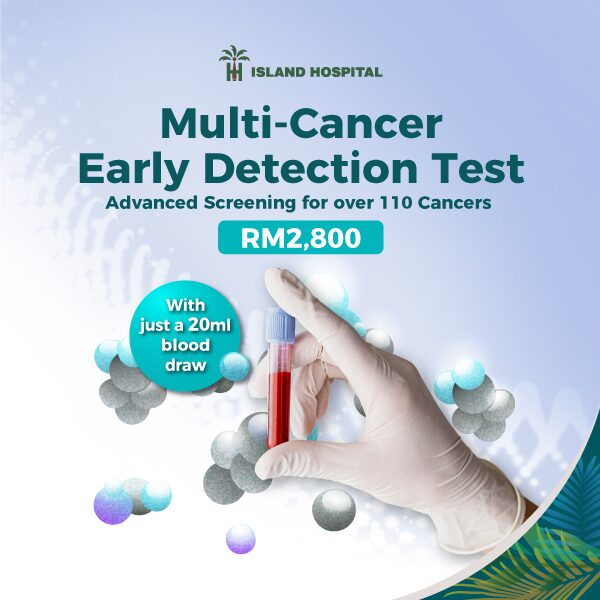
This test is designed to:
- Screen for multiple cancers through a single blood test
- Detect potential cancer signals even before symptoms appear
- Support earlier conversations with doctors about next steps, if needed
It may be particularly helpful for those with higher risk factors, a family history of cancer, or anyone seeking greater reassurance beyond routine screenings.
Early detection is all about foresight. With the right screening tools and medical guidance, you can take meaningful steps toward protecting your health, even before symptoms begin.
Early Warning Signs You Should Never Ignore
While silent cancers may not cause early symptoms, some warning signs should always be checked if they persist:
- Unexplained weight loss
- Persistent fatigue
- Changes in bowel or bladder habits
- Unusual bleeding
- Lumps or swellings
- Pain that doesn’t go away
These symptoms don’t always mean cancer — but they should never be ignored.
When Should You Speak to a Doctor?
You don’t need to feel unwell to start a conversation about your health. In many cases, the most meaningful discussions happen before symptoms appear. Consider speaking to a doctor if any of the following apply to you:
1. You have known risk factors
This may include a family history of cancer, chronic conditions (such as hepatitis, diabetes, or inflammatory diseases), or lifestyle factors like smoking, alcohol use, or prolonged stress.
A doctor can help assess your individual risk and advise whether earlier or more frequent screening is appropriate.
2. You are due for age-based screening
Certain cancer screenings are recommended once you reach a specific age — even if you feel perfectly healthy. These screenings are based on population risk and are designed to detect disease before symptoms develop.
3. You have persistent or unexplained symptoms
Subtle changes — such as ongoing fatigue, unexplained weight loss, changes in bowel habits, bloating, or discomfort that doesn’t go away — shouldn’t be ignored. While these symptoms are often harmless, a doctor can help determine whether further checks are needed.
4. You want guidance on preventive health
If you’re unsure which screenings you need, how often to do them, or whether newer screening options may be suitable, a doctor can provide personalised guidance based on your health history and concerns.
A Gentle Reminder:
You don’t need to wait until something feels “serious” to seek medical advice. Preventive conversations are an important part of staying well, offering reassurance, clarity, and early action when it matters most.
Take Control of Your Health with Early Cancer Screening
Silent cancers remind us of an important truth: feeling well doesn’t always mean everything is well.
Early detection gives you time — time to explore options, time to plan treatment, and time to protect your future health. A simple screening or consultation could be the step that makes all the difference.
If you’re unsure where to start, speak with Island Hospital’s healthcare professional about a screening plan that’s right for you today.
FAQ
1. Can you really have cancer without any symptoms?
Yes, it is possible to have cancer without noticeable symptoms, especially in the early stages.
Many cancers begin as small or slow-growing tumours that do not interfere with normal body functions. If a tumour does not press on nerves, block an organ, or cause bleeding, a person may feel completely well. This is why some cancers are only discovered during routine health checks or screening tests.
Feeling healthy does not always mean that disease is absent — it simply means the body has not yet been affected in a way you can feel.
2. If I feel healthy, do I really need cancer screening?
Yes. Cancer screening is specifically designed for people who feel well and have no symptoms.
The goal of screening is to:
- Detect cancer at an early, more treatable stage
- Identify precancerous changes before cancer develops
- Reduce the risk of advanced disease
Many people diagnosed through screening say the same thing: “I felt completely fine.”
That’s exactly why screening matters.
3. At what age should I start cancer screening?
There is no single age that applies to everyone. Screening depends on several factors, including:
- Age
- Gender
- Family history
- Lifestyle and medical risk factors
For example:
- Breast and colorectal screening often begins in middle adulthood
- Cervical screening starts earlier for women
- High-risk individuals may need screening earlier or more frequently
The safest approach is to discuss personalised screening recommendations with a doctor, rather than relying on age alone.
4. What screening tests are commonly used to detect cancer early?
Different cancers require different screening methods. Common tests include:
- Mammograms – for breast cancer
- Pap smear or HPV test – for cervical cancer
- FIT (stool test) or colonoscopy – for colorectal cancer
- Ultrasound or CT scans – for selected high-risk individuals
- Blood tests – to assess risk or monitor certain conditions
Not all tests are suitable for everyone. Screening decisions should balance benefits, risks, and individual health factors.
5. Can blood tests alone detect cancer early?
Blood tests can be helpful, but they cannot detect all cancers on their own.
Some blood tests:
- Help identify risk factors
- Detect tumour markers linked to specific cancers
- Support monitoring in people with known conditions
However, most cancers still require imaging, scopes, or tissue sampling for reliable detection. Blood tests are often used as part of a broader screening or diagnostic process, not as a standalone solution.
6. If cancer is detected early, does it really make a difference?
Yes — early detection can make a significant difference in outcomes.
When cancer is found early:
- Treatment options are often less aggressive
- Recovery may be faster
- Survival rates are higher
- Quality of life during and after treatment is better
In many cases, early-stage cancers can be treated effectively before they spread.
Related Doctors
Latest Blog Posts

February 11, 2026